
On 19-20 February, the PartArt4OW consortium gathered in Barcelona at Fundación Épica – La Fura dels Baus for the Demo Days marking the culmination of the first PartArt4OW Accelerator. As responsible for designing and managing the Open Calls of the project, as well as assessing the impact of the Participatory Art Initiatives (PAIs) and of PartArt4OW as a whole, we could not miss this key moment.
The Demo Days represented the final and most visible stage of the Accelerator programme: a two-day, high-profile event providing a platform for the first cohort of PAIs to present their projects to a broad audience. More than a presentation moment, the Demo Days were the tangible conclusion of six months of experimentation, collaboration, and local implementation. For us, the Demo Days were not only a showcase moment; they were a critical milestone in the project lifecycle, bridging implementation and impact assessment.
Six Projects, Six Journeys: From Concept to Tangible Outcomes
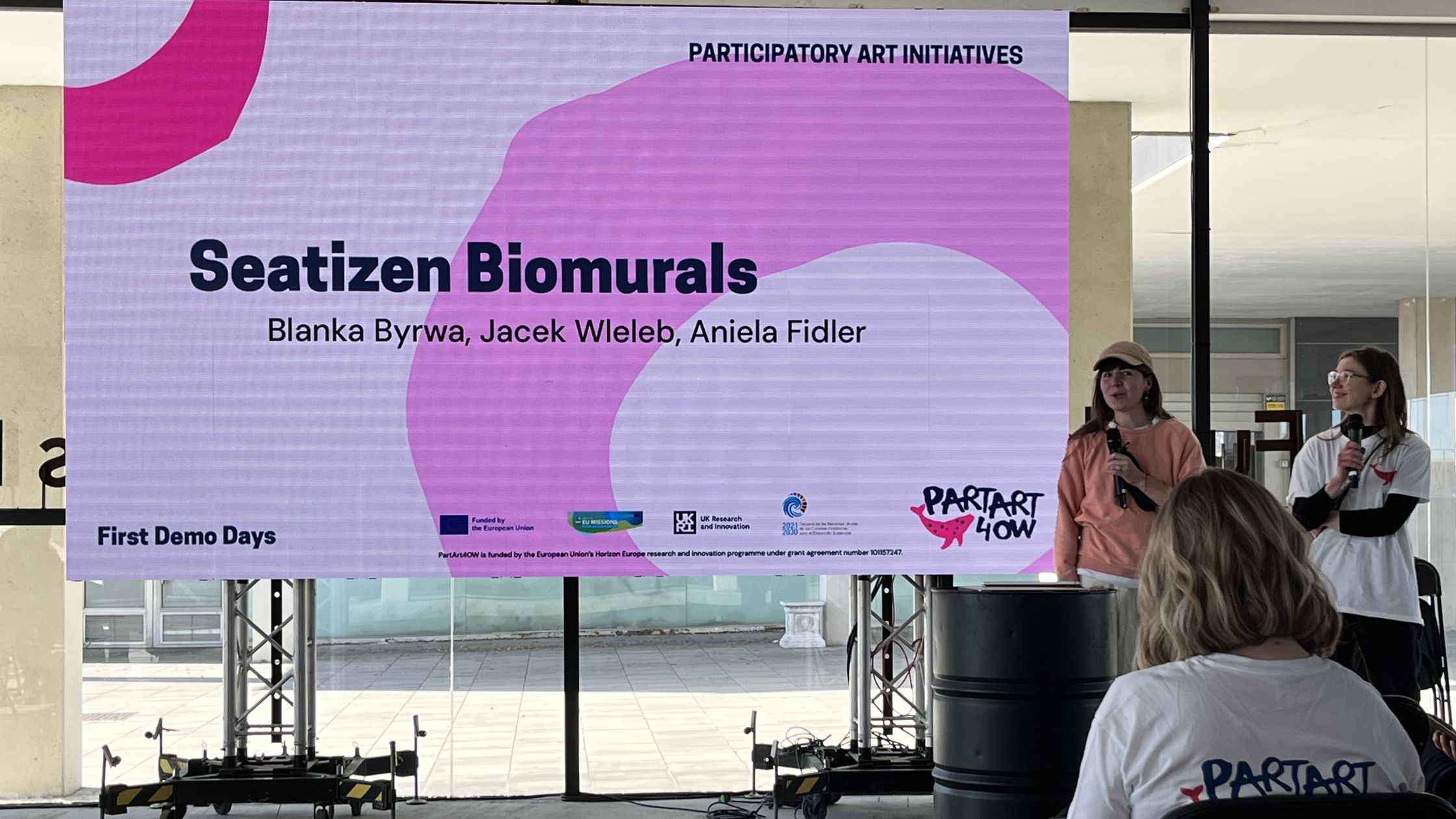
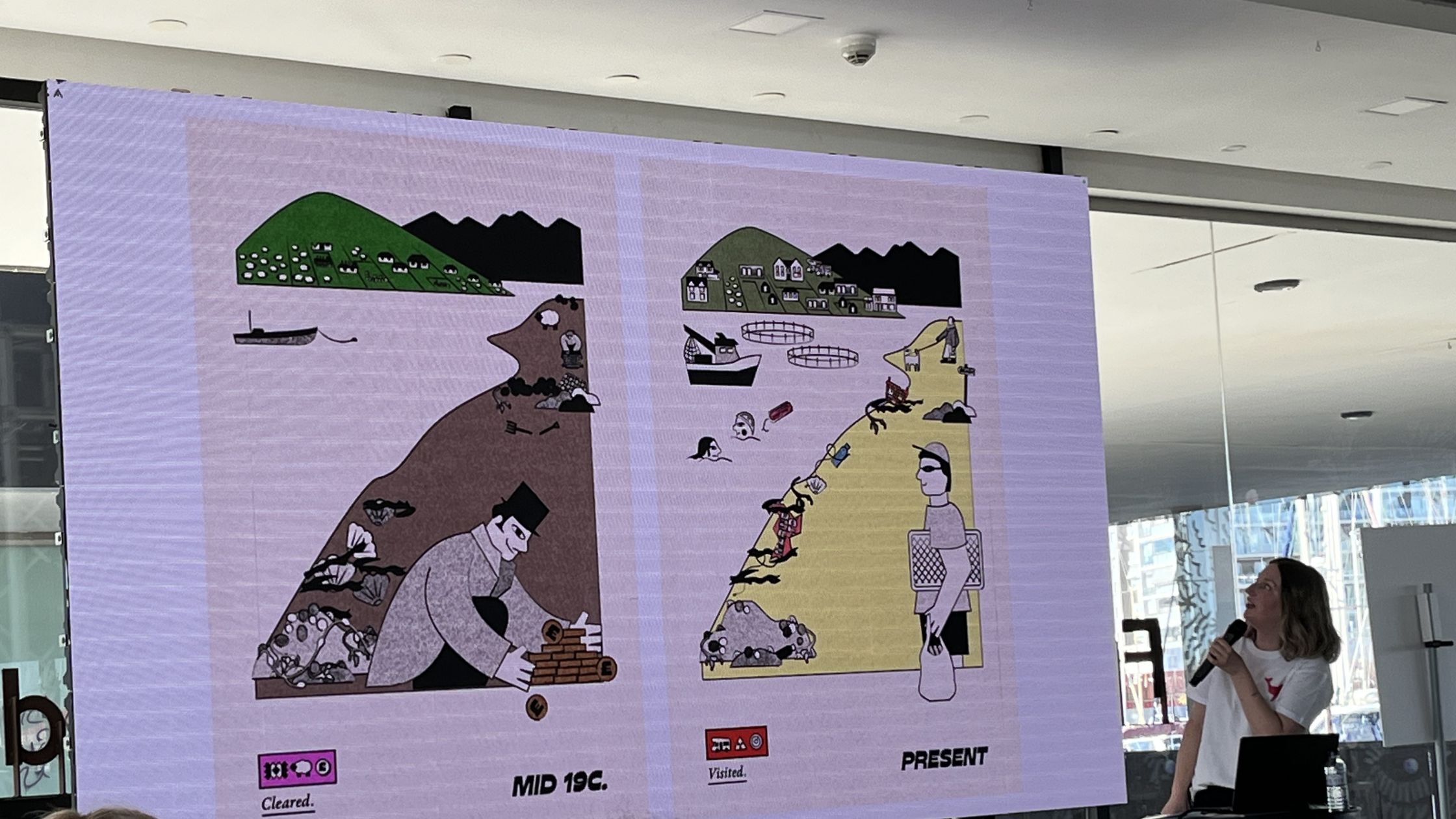
The six PAIs selected under the first Open Call took the stage to present the results of six months of work. Each project walked us through its methodology, community engagement strategy, artistic experimentation, and scientific collaboration.
Across diverse contexts, the PAIs succeeded in engaging local communities, increasing ocean literacy, and building meaningful art–science collaborations. They demonstrated that participatory art can serve as a powerful vehicle for environmental awareness and collective action. Indeed, what stood out was the truly participatory nature of the initiatives. These were not symbolic engagements; they were deeply embedded processes. Communities co-created, experimented, reflected, and contributed to tangible outcomes. The projects succeeded in doing what they set out to do: foster dialogue, raise awareness, and build collective ownership around ocean and water-related challenges.
Although the consortium has been interacting with the PAIs throughout the Accelerator, through training sessions, mentoring, and interviews, the Demo Days marked the first time we experienced the projects and their outputs in person. And that made all the difference!
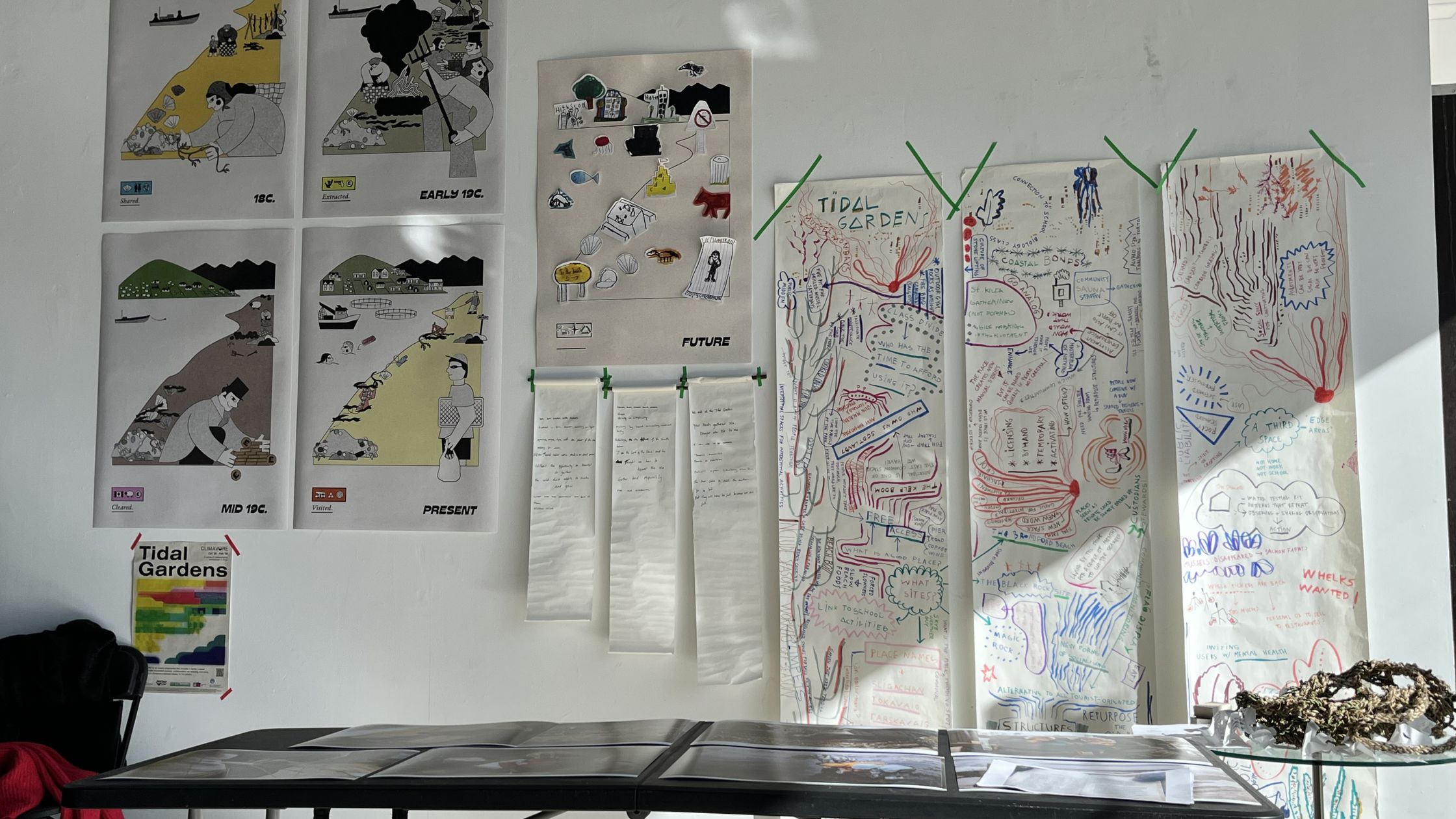
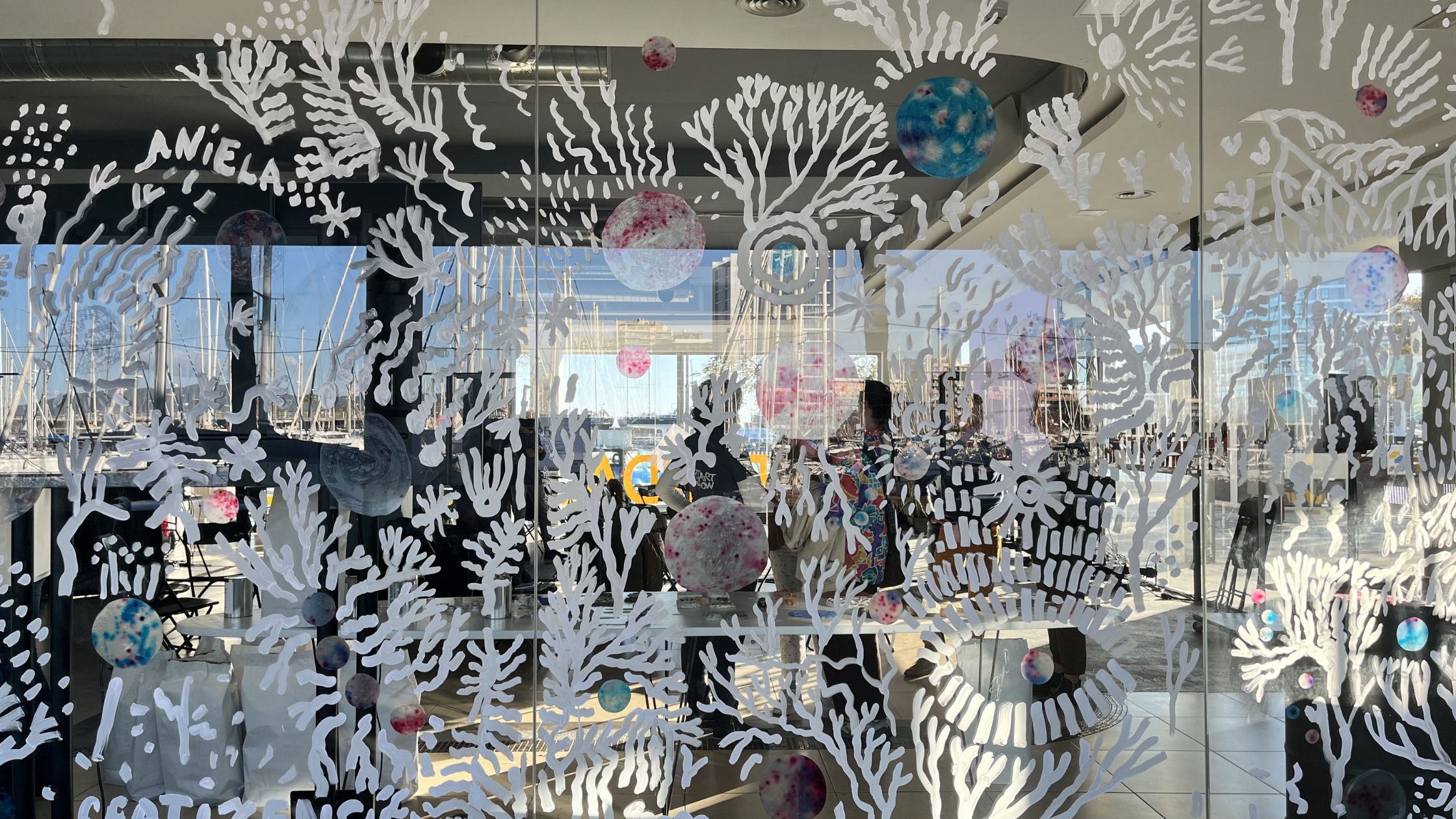
We were able to see and test concrete results, including a replica of the underwater sculpture that will be installed as part of Posidonia Art Reef; the immersive VR experience created for Sea of Sound, which participants could directly explore; the documentary developed within Art of Dredge; innovative paint and bioplastic materials produced through Seatizen Biomurals and co-creation materials and community-generated outputs from Tidal Orchards and Kyiv Whale – Eco Hub. Photos, clips, prototypes, installations, and artefacts transformed six months of work into something tangible. For us, especially as we are now conducting the ex-post impact assessment, seeing the results physically added a new layer of understanding. It made the outcomes more concrete, more embodied, and more measurable. The Demo Days reaffirmed something essential: physical encounters matter. While regular online meetings are indispensable for project coordination, in-person interaction creates depth, nuance, and trust that cannot be replicated digitally.
The event was also an opportunity to enhance project communication. Short interviews with the PAIs and consortium partners were recorded by RAW News to further amplify the visibility of the projects and share their stories more widely. This layer of storytelling is crucial. The impact of participatory art extends beyond the local interventions themselves; it lies also in how these experiences are communicated, replicated, and scaled.
Reflection, Co-Design, and Learning
While the first day focused on public presentations, the second day was dedicated to internal reflection and collaborative work. We held a consortium meeting, our first in-person gathering since the Kick-Off Meeting in Rome. Even though we meet weekly online, reconnecting physically allowed us to align strategically, reflect on progress, and strengthen our collaboration.
A key highlight was the co-design session for the PartArt4OW Impact Dashboard, led by our T6 Partner and Head of Research Antonella Passani. The Impact Dashboard is a core element of the project: a visual tool designed to showcase the results of the PAIs. Each cohort will have its own dedicated dashboard, while results will also be presented in aggregated form as each Accelerator cycle concludes. This session allowed us to collectively refine how impact is visualised and communicated.
We also participated in a Mutual Learning Exercise Workshop led by Maria Hadjimichael of Cyprus Marine and Maritime Institute (CMMI). Through an interactive Mentimeter-based session, the PAIs provided structured feedback on the Accelerator process. The discussion was open, constructive, and honest: addressing what worked well and what could be improved, especially as we now embark on the second cohort.
This culture of reflection and iterative improvement is fundamental to PartArt4OW.
What’s coming up
The Demo Days in Barcelona marked the successful completion of the first Accelerator cycle. For T6, they also marked the transition into the final phase of this cycle: impact assessment. Meeting the PAIs in person, hearing their reflections, and experiencing their outputs has enriched this process immeasurably.
As we move forward with the second cohort, we carry with us not only lessons learned, but renewed motivation. The energy, creativity, and commitment demonstrated during these two days in Barcelona reaffirm the transformative potential of participatory art for ocean and water stewardship.